Amsterdam 2026 Guide: Canals, Culture, and Navigating the New Rules of Europe’s Most Magical City
1. Introduction: The Evolution of the Venice of the North
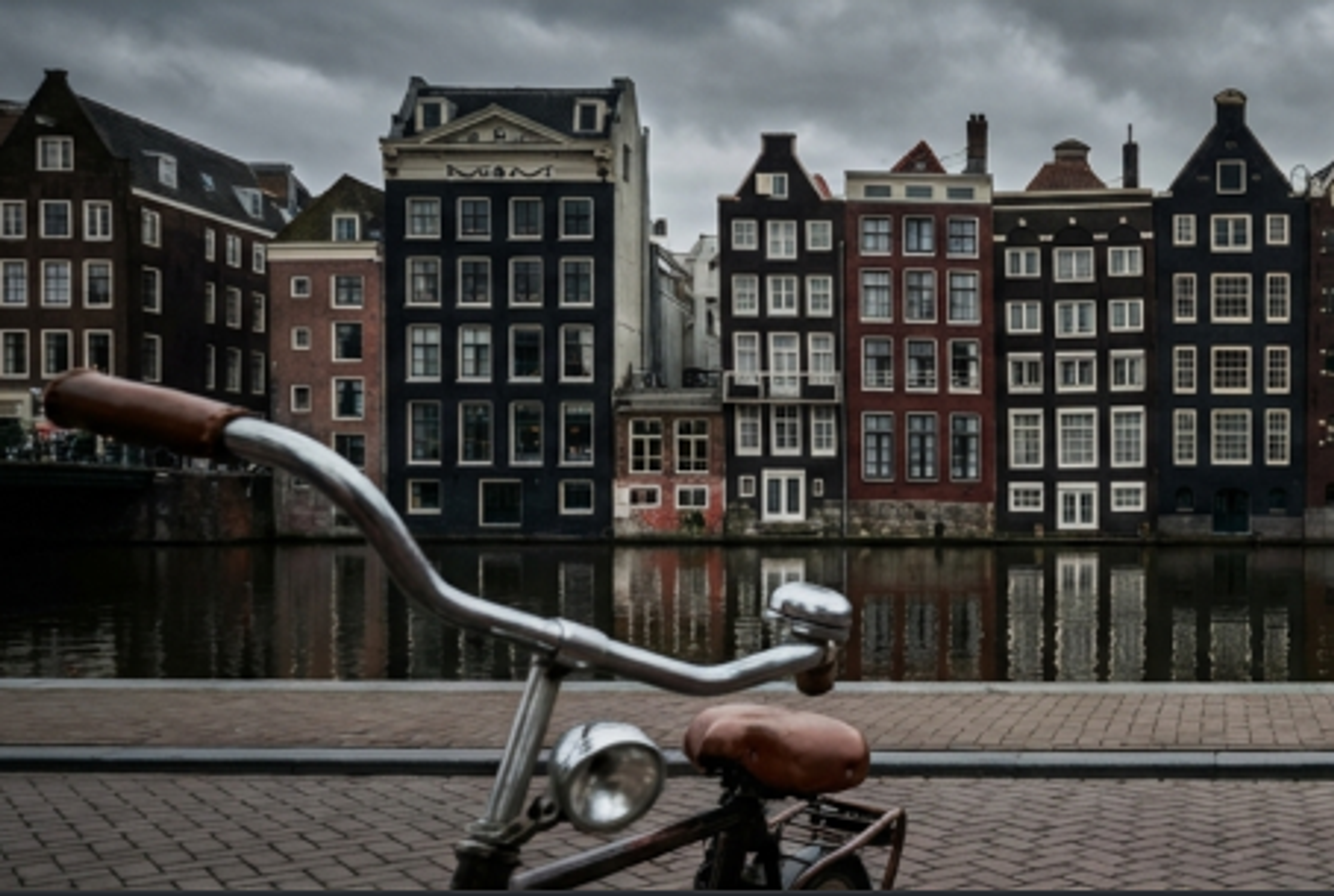
Amsterdam is a city that dances on water, its skyline defined by the "leaning, drunken grand dames" of the Damrak—17th-century houses that tilt with a storied, weird grace. As we move through 2026, the city is vibrating with a unique tension between its hedonistic past and a new, conscious "guest" culture. The days of mindless "overtourism" are fading, replaced by a sophisticated shift toward sustainability and local peace. To visit now is to embrace a libertine spirit that respects the soul of the streets. You are no longer just a tourist; you are a guest in a living, breathing community that prizes its "weird and magical" essence while setting boundaries for its future.
2. 2026 Essential Travel Updates: What’s New for the Modern Traveler
Navigating the Dutch capital requires more than just a map; you need to understand the digital and social architecture of 2026.
- Financials: Amsterdam is effectively a cashless society. From high-end boutiques to tiny street stalls selling Stroopwafels, almost everything is card or phone-only. Tap-to-pay is the local law of the land; don't bother with the ATM.
- Tourist Policy: The city has implemented stricter hotel regulations and significant tourist taxes to preserve the historic center. To support the local ecosystem and avoid the "housing crisis" complications of short-term rentals, the ethical move is to book a professional Hotel.
- Public Etiquette: Understand the terminology to avoid an awkward morning. A Cafe (or Koffiehuis) is for your flat white and pastry. A Coffee Shop is where you’ll find the green plant. While cannabis is legal in these designated dens, lighting up in public parks or on the street is a quick way to catch a fine—and the ire of the locals.
Arrival Tip: The Schiphol to Central Station train is your quickest portal to the city (approx. 20 mins). A one-way ticket is €5.20, but the yellow kiosks add a €1.50 surcharge for physical paper. Save your euros and skip the paper waste: use the 9292 app or the NS app to tap through the barriers with your phone.
3. Beyond the Famous Canals: Exploring the Neighborhoods
While the center is a masterpiece, the true "insider" energy is found in the surrounding rings.
The Jordaan
Once a gritty working-class enclave, the Jordaan is now the city's postcard-perfect heart. Wander through its narrow side-streets to find hidden vintage boutiques and cozy pubs. It remains home to the Anne Frank House, but the real magic is in the quiet mornings when the city feels entirely your own.
De Pijp
This is the multicultural engine of Amsterdam. It’s where you’ll find the Heineken Experience, but the real draw is the Albert Cuyp Market. Supporting local vendors here isn't just a shopping trip; it’s a way to keep the neighborhood's diverse, independent spirit alive against the tide of multinational chains.
The Nine Streets (Negen Straatjes)
A micro-neighborhood of nine historic streets that cross the main canals. This is the ultimate shopping haven for independent designer finds and unique vintage threads.
Amsterdam Noord (NDSM)
For a hit of industrial-cool, take the free ferry from behind Central Station (look for the 15-minute NDSM route). You’ll arrive at the NDSM Wharf, a sprawling hub of street art and creative energy. Don't miss the Straat Museum (the world's premier street art venue) or a sunset drink at Pllek. If you’re feeling libertine, head to the A’DAM Lookout to try "Europe’s highest swing," or stroll down Atatürk Avenue to see how the north is reinventing itself.
4. The Bicycle Survival Guide: Rules of the Red Lane
In Amsterdam, the bicycle is not a leisure vehicle; it is a high-speed transit tool.
- The Golden Rule: Pedestrians never have the right of way in the bike lanes.
- Visual Cues: If the pavement is red, you are in a lane of travel. Step into it without looking, and you can expect a sharp bell ring or a verbal lashing from a commuting local—the Dutch value efficiency over your photo-ops.
- Parking Warning: Only park in the "gray racks." If you chain your bike to a bridge or a random pole, the police will seize it. Retrieving it is a bureaucratic nightmare that can cost you up to €400 in fines and fees.
- Local Tip: Unless you are a highly proficient cyclist, skip the rental. Use the GVB App to navigate the world-class tram and metro system instead.
5. Gourmet Amsterdam: From Street Snacks to Rice Tables
The Dutch food scene is a glorious byproduct of the city's maritime and colonial history.
- The "Rice Table" (Rijsttafel): You cannot leave without experiencing an Indonesian Rijsttafel. This feast of dozens of small, spicy, and savory plates is a direct link to the Netherlands' colonial history with Indonesia and is easily the city's most iconic culinary experience.
- The Cookie Life Hack:Van Stapel Cookies are a viral sensation for a reason. To skip the hour-long queue, pre-book your chocolate-filled treasures online. When you arrive at your slot, ignore the line and ring the "golden doorbell" to be ushered in like a VIP.
- Fries: Compare the artisanal truffle-mayo and parmesan heights of Fabel Friet with the historic, thick-cut tradition of Vleminckx (serving the city since 1957).
- The Wall: For a quick, deep-fried hit, hit the FEBO/Automat. Tap your card and pull a hot Bitterballen (savory meat croquette) directly from a heated window in the wall.
- Cheese: Tourist traps like Henry Willig are fine for a sample, but for real quality and ethical prices, head to the Ten Katemarkt. Support the local mongers and get a taste of the real Goudas.
6. Arts, Museums, and Hidden Views
Amsterdam's cultural heavyweights require military-grade planning in 2026.
- Booking Windows:Anne Frank House tickets are released exactly 6 weeks in advance and sell out in minutes. Van Gogh Museum tickets should be secured 3-4 weeks before you fly.
- The Rijksmuseum: Home to Rembrandt’s The Night Watch. 2026 Update: The masterpiece is currently housed within a specialized glass restoration chamber, allowing guests to watch historians and scientists work on the painting in real-time.
- The "Giant Bathtub": This is the local nickname for the Stedelijk Museum, the city's premier modern art and design space. Pair it with the Moco Museum for your Banksy and contemporary fix.
- The Free View: Skip the pricey rooftop bars. The Nemo Science Museum offers a free rooftop terrace with spectacular city views, and the Amsterdam Central Library (OBA) features a panoramic terrace that is perfect for a quiet sunset.
--------------------------------------------------------------------------------
Do NOT walk in the bike lanes. Red pavement is for high-speed transit only.
Do NOT take photos in the Red Light District. It is strictly forbidden, enforced by security, and deeply disrespectful to the workers.
Do NOT rely on cash. Many shops and all public transport (trams/buses) are card/phone only.
--------------------------------------------------------------------------------
8. Conclusion: A Respectful Guest in a Living City
To truly understand Amsterdam is to appreciate the 17th-century "no curtains" philosophy. Historically, keeping windows uncovered was a way to show neighbors—and God—that you had nothing to hide and were living a moral life. Today, that transparency remains a core part of the Dutch psyche.
As a guest, lean into the city's environmental ethics. Carry a reusable bottle and drink the tap water; it is some of the cleanest and most delicious in the world. Respect the silence of the residential canals at night. Whether you’re here for the neon energy of summer or the crisp, tulip-filled air of spring, Amsterdam rewards those who travel with an open heart and a respectful stride. Be a guest, find the magic, and leave the city even better than you found it.