Budapest 2026: The Ultimate Budget-Friendly Guide to the Pearl of the Danube
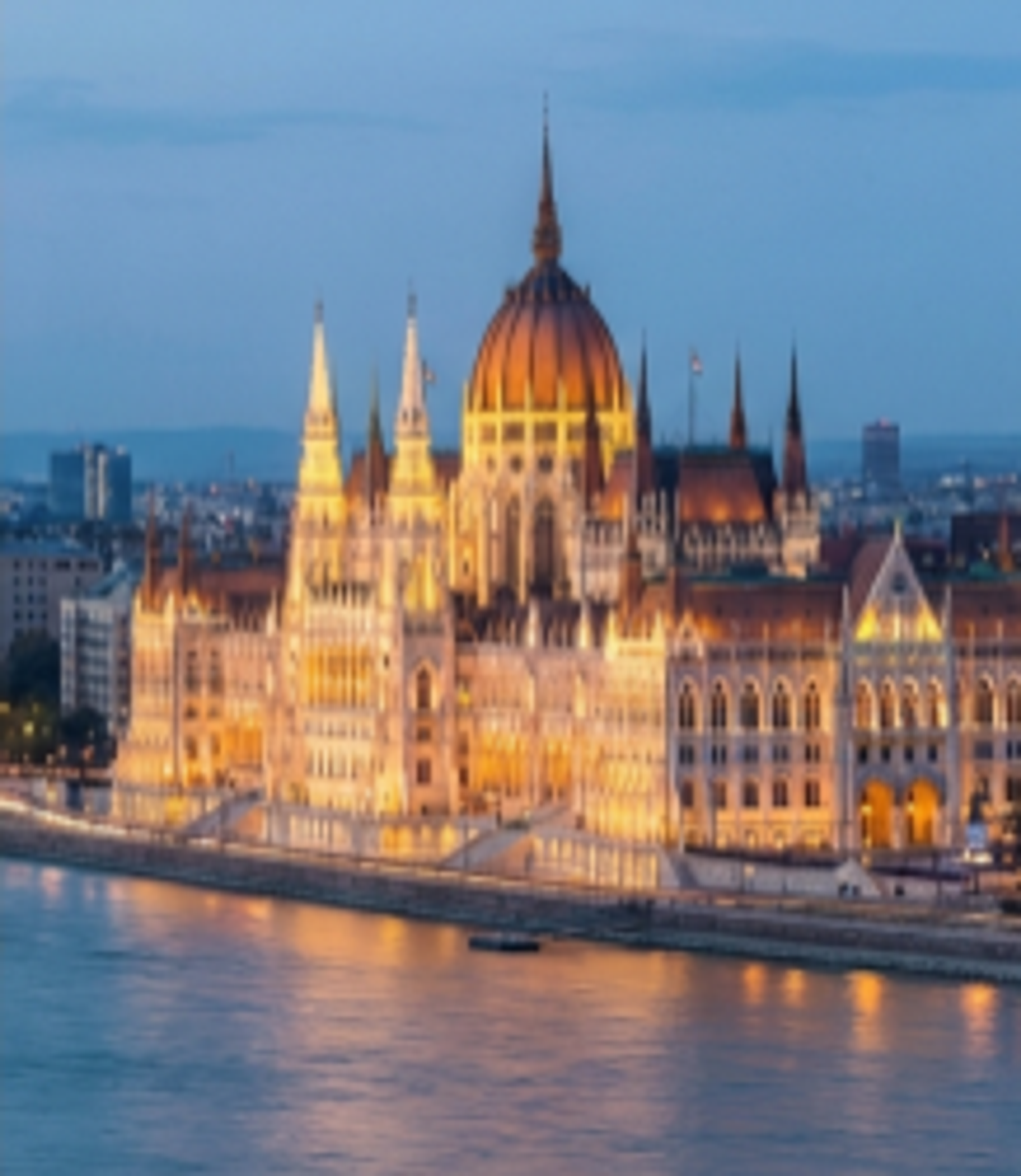
Budapest, the "Pearl of the Danube," remains a city of profound dualities. In 2026, it is a metropolis in the midst of a renaissance, where the scaffolding of the National Hauszmann Program in the Castle District signals a return to imperial grandeur, even as its gritty "Ruin Bars" pulse with modern, alternative energy. While the days of Budapest being "dirt cheap" have faded into the annals of travel history, it remains the gold standard for high-value European exploration. To navigate it like a cultural architect, one must balance the technicalities of the Hungarian Forint with the evocative history that lives in the city’s stones.
Buda or Pest? Strategizing Your Stay and Movement
The Danube does more than divide geography; it separates two distinct states of mind.
- Buda: Hilly and regal. Here, the silence of echoing cobblestones and the breathless ascent of the funicular lead you to the seat of Hungarian kings. In 2026, expect significant restoration work around the Royal Palace; while some areas may be under scaffolding, the reborn historic aesthetic is breathtaking. For a "smart travel" gem, stop at Ruszwurm, the city’s oldest confectionery, for their legendary krémes (cream cake)—a royal luxury at a modest price.
- Pest: Flat, sprawling, and electric. This is the heart of the "big city energy." It is where the Neo-Gothic Parliament looms and the Jewish Quarter hums.
Accommodation Strategy: While the 7th District (the "Party Area") is the epicenter of nightlife, it is often a labyrinth of noise and crowds. Families and those seeking the "Cultural Architect" experience should stay just outside this perimeter to enjoy the aesthetics without the 3:00 AM revelry.
Movement: The Chain Bridge, the first permanent link between the sides, is a mandatory sunset walk. For the best view in the city, skip the expensive tour buses and board Tram Line 2. It hugs the Pest embankment, offering a front-row seat to the Parliament and Buda Hill for the price of a standard ticket.
Financial Masterclass: Navigating the Forint
The Hungarian Forint (HUF) is your primary tool. While Euros are accepted at high-end spots like the New York Cafe, the exchange rates are often predatory.
Budapest Financial Cheat Sheet
Topic
Guidance
Warning / Pro-Tip
Currency Choice
Always pay in HUF.
Beware of Dynamic Currency Conversion (DCC) on card machines; always decline the "conversion" to your home currency to avoid 5–10% hidden fees.
Exchanging Cash
Use Prima Change.
Avoid airport offices (up to 11% commission). Prima Change offers 1% or zero commission for amounts over 10,000 HUF.
Card vs. Cash
Digital cards are standard.
Cash is only essential for public toilets (300–400 HUF) and small market stalls.
Tipping
10–15% is standard.
Always check the bill for a "Service Charge." If it’s there, no additional tip is required.
Logistics & Avoiding the "Fine" Trap
The backbone of your visit is the Budapest Go app. It handles route planning and digital ticketing. Efficiency here is strict; Budapest is famous for its vigilant ticket inspectors.
- The 100E Express: The most practical airport link. It costs 2,200 HUF (Airport Shuttle Single Ticket) and drops you at Deák Ferenc Square.
- Validation is Key: You must validate tickets via QR code (in-app) or physical punchers immediately upon boarding. Fines are steep, ranging from 11,500 to 25,000 HUF.
- Taxis: Never hail a "Freelancer." Use the Bolt app for transparent, regulated pricing.
- Parking Warning: Parking enforcement is ruthless. Touching a line can result in an immediate 11,500 HUF fine and a wheel clamp. If not resolved within 48 hours, your car will be towed.
The Thermal Bath Culture: A Mandatory Ritual
Budapest sits on a bubbling network of thermal springs. Visiting a bath is not just tourism; it is a cultural immersion.
- Széchenyi Thermal Bath: The Neo-Baroque icon. Arrive early (6:00 AM - 8:00 AM) to avoid the mid-day tourist swell.
- The Pro Rule: Slippers are mandatory everywhere. Swimming caps are required only for the lap/swimming pools, not the thermal relaxation pools.
- Gellért Baths: A masterpiece of Art Nouveau.
- Lukács Spa: The "smart traveler’s" choice. Less touristy, it is where locals go to treat rheumatism and seek quietude.
Ruin Bars and the Soul of the Jewish Quarter
The "Ruin Bars" of the Old Jewish Quarter are abandoned buildings turned into "artistic garbage" labyrinths. Szimpla Kert remains the icon—a chaotic masterpiece of mismatched furniture and themed rooms.
However, the Cultural Architect must recognize the gravity of this neighborhood. Steps away from the vibrant street art and the Caravan Street Food court (perfect for a budget-friendly burger or Lángos), you will find the Shoes on the Danube memorial. This moving tribute marks where 20,000 Jews were executed; they were forced to remove their shoes because, in the winter of 1944, shoes were a valuable commodity.
Culinary Highlights: From Goulash to Golden Coffee
Hungarian cuisine is hearty, paprika-heavy, and soul-warming.
- Must-Try Dishes:
- Goulash: A beef stew, not a soup. For the best price-performance ratio, visit Dram Cafe.
- Lángos: Fried dough with garlic, sour cream, and cheese.
- Kürtőskalács (Chimney Cake): Best enjoyed fresh from a street vendor.
- The New York Cafe: Often called the world's most beautiful cafe. Legend says the author Ferenc Molnár threw the keys into the Danube so the cafe would never close. Today, luxury has a price: a 24-carat gold cappuccino costs roughly 10.50 Euro. It is a palace experience, even if just for one cup.
- Great Market Hall: Go to the ground floor for paprika and sausages. The second floor offers great views, but the food stalls there are often overpriced "tourist traps."
To understand Budapest, one must visit the Gül Baba Tomb, the northernmost pilgrimage site for Bektashi dervishes. It is here that the famous quote is inscribed: To travel is to live.
A final secret for the cultural architect: notice the yellow and red roses in Gül Baba’s garden. Tradition holds that these very roses inspired the colors of the Galatasaray school and football club, a living link between Ottoman history and modern sport. Budapest is a city where every corner holds a story, where you can feast on street food for pennies or sip gold in a palace. Navigate it with precision, and the city will reveal its soul to you.