Discovering the Heart of Europe: A Strategic 2026 Guide to the Magical Rota of Prague
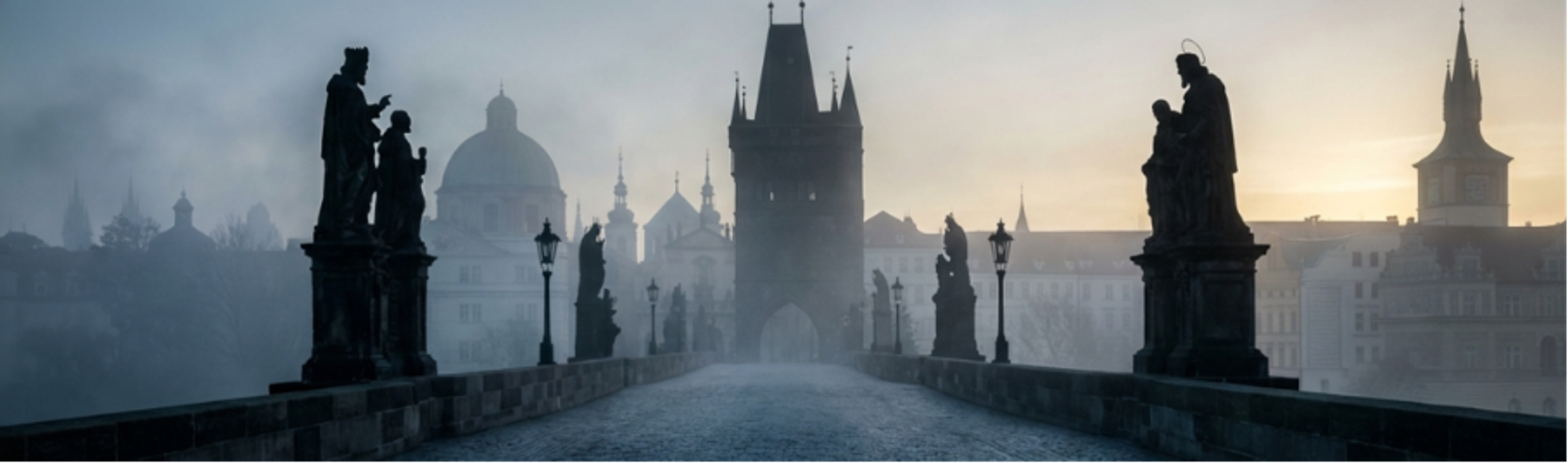
Prague remains the "Heart of Europe," a labyrinth where Gothic spires and Baroque shadows whisper of alchemy and rebellion. However, by 2026, the city’s timeless allure has become a double-edged sword. With over 21 million tourists descending upon the Czech Republic annually—Prague being the undisputed crown jewel—navigating this UNESCO-protected masterpiece requires the monastic discipline of a local and the cold cynicism of a seasoned tactician. To find the city’s soul beneath its commercial veneer, one must look past the postcards and master the new regulations of a recalibrated urban landscape.
Strategic Prague: Mastering the Art of the Early Bird
In 2026, the "Golden Window" is the only time the city belongs to the dreamer rather than the consumer. The masses will flock to the center at noon; the Flâneur knows better.
- The Golden Window: To experience the Old Town Square and Charles Bridge without "shouldering people" or fighting the 2026 crowds, you must be on the cobblestones between 5:00 AM and 7:00 AM. By 8:30 AM, the primary arteries are already choked with tour groups.
- Early Bird Incentives: The city has monetized the morning, but the strategist profits. A 50% discount on entry fees is available for the first hour of operation (typically 9:00 AM to 10:00 AM) at the Old Town Hall, the Charles Bridge Towers, St. Nicholas Church tower, and the Mirror Labyrinth on Petřín.
- The 8:00 AM Secret: A vital 2026 update: to accommodate early risers, the Astronomical Clock’s first show of the day now begins at 8:00 AM. Arrive then to avoid the later heat and the mid-morning crush.
Beyond the Postcards: Navigating the Fairy-tale Route
The "fairy-tale" is often a sanitized myth. Seek the darker, more poetic corners of the city to understand its true character.
Old Town Square & The Clock
While the Astronomical Clock (1410) is a mechanical marvel, the hourly "show" is brief. Don't be the tourist standing open-mouthed for a ten-second procession. Instead, pay the fee to climb the Old Town Hall Tower for the spires, but save your real curiosity for the nearby St. James Church. Look up near the entrance to see the severed, mummified arm of a 15th-century thief, caught by a statue of the Virgin Mary and left as a gruesome warning.
Charles Bridge (1357)
To remember the bridge's foundation, use the mnemonic 1-3-5-7 (the sequence of odd numbers). If you visit between December 1st and 23rd, watch for the 19th-century-clad Lamp Lighter, who manually ignites the gas lamps. Tactically, skip the crowded Old Town Bridge Tower and head to the Lesser Town Bridge Towers on the opposite bank for identical views with half the friction.
The Castle District (Hradčany)
Prague Castle is the largest in the world, a massive seat of power that now includes—to the Flâneur's chagrin—a Starbucks right next to the cathedral. Inside St. Vitus Cathedral, remember: there is no heating. In winter, it is an icebox of stone. If the crowds at the Castle are too much, retreat to Vyšehrad. This fortress houses the city’s first settlements, the stunning Basilica of St. Peter and St. Paul—which holds a piece of St. Valentine’s shoulder blade—and a cemetery where the nation’s artists rest in a peaceful silence the Castle can no longer provide.
The Lesser Town (Malá Strana)
Cross to find the John Lennon Wall, a living canvas of peace. Nearby, observe David Černý’s "Crawling Babies," bizarre sculptures that inject a necessary dose of surrealism into the Baroque surroundings. For the truly adventurous, seek out the Magical Cavern on Petřín Hill, a former mill converted into a dark, mysterious art gallery filled with fantasy paintings.
2026 Update: New Rules and Closures
The logistical gears of Prague have shifted. The city is pushing back against "alcohol tourism" and social media congestion.
Feature
2026 Status/Regulation
Tactical Note
Petřín Funicular
Closed for Modernization
Reopening Summer 2026 with a futuristic design. Until then, expect a sweaty uphill climb.
Paternoster Lifts
Strictly Restricted
The "Eastern European Elevator of Death" at City Hall (Old Town) now carries a €10 fee and a supervised tour. Others are staff-only.
Alcohol & Busking
Heavily Regulated
Pub crawls and "beer bikes" are banned. Animal protection laws have "deflated" the panda and polar bear buskers from the squares.
The Infinity Tower (Idiom)
Extreme Social Media Queues
The Municipal Library's book tower is no longer a "hidden gem." Expect a line of influencers that would test a saint’s patience.
Tactical Tourist Trap Avoidance
Prague’s beauty attracts opportunists. Maintain your situational awareness to avoid the following:
- Currency Exchange: Street exchangers are scammers, period. Look for an "Honest Exchange" benchmark of 24–25 CZK per 1 EUR. Use cards whenever possible.
- The 100g Trap: Street food vendors in the squares list prices per 100g. They will serve you a massive slab of ham or a giant pile of potatoes, leading to an accidental €20–€30 bill. Demand to see the weight before they serve.
- Taxis: Hailing a cab on the street is an invitation to be overcharged. Use Bolt or Uber for transparent pricing.
- Karlová Street: This narrow vein is the epicenter of tacky absinthe shops and overpriced glass. Move through it with your eyes on the architecture, not the shopfronts.
A Gastronomic Awakening: Beyond the Trdelník
The Trdelník (chimney cake) is a modern photo-op, not a Czech tradition. To eat like a local, you must look elsewhere.
- The Authentic Menu: Seek Svíčková (beef in cream sauce), Goulash, or Roast Duck with red cabbage.
- Recommended Locales:
- Mincovna: High-quality traditional fare in the Old Town.
- Lokál: The gold standard for fresh beer and atmosphere—but reservations are mandatory.
- Bagetery Boulevard: For the traveler on a budget, this local chain offers high-quality, quick baguettes that put global fast food to shame.
- The Coffee Culture: Visit Café Louvre for the Einstein and Kafka connection. As for Café Savoy, the Flâneur advises you to go for the decor, not the omelet. The neo-Renaissance ceiling is world-class, but the food is often standard for the price.
Seasonal Wisdom and The Prague Dress Code
The 2026 climate demands respect. April/May and September/October are the "sweet spots" for mild weather.
The Winter Reality: Humidity and wind make 0°C feel like -15°C. The cold doesn't just bite; it seeps through the cobblestones. Thick soles are mandatory to insulate your feet from the freezing stones. Wear waterproof layers and a parka over "cute" wool coats. Do not be fooled by the "Snowy Prague" myth; when it snows, the slush melts into a grey soup within hours.
Logistics and Budgeting: The 2026 Numbers
- Airport Transit: Ignore the 25 taxis. The **Airport Express (AE) bus** is efficient at **2.30**.
- Public Transport: A 30-minute ticket is 1.20**, but the **3-day pass (13.50) is the strategic choice for unlimited movement. Use Tram 22 for a "free" scenic tour of the National Theatre and Castle.
- Connectivity: Use an eSim (like Airalo) for live navigation and digital tickets. In 2026, being "offline" is not poetic; it is a tactical failure.
Conclusion: Finding the Pockets of Calm
Prague’s true essence is found by carving out pockets of calm. Spend an afternoon in the Wallenstein Garden, watching the peacocks roam among Baroque statues, or seek out the "upside-down horse" in the Lucerna Passage. This statue of St. Wenceslas on a dead steed is the ultimate symbol of the rebellious, dark-humored Czech spirit. Avoid the rush, watch your step on the slippery stones, and let the city reveal itself on its own terms. Na shledanou.
Beyond the Astronomical Clock: 5 Surprising Truths About Navigating Prague in 2025
Prague is a city currently caught between two identities. To the casual observer, it remains a Baroque fairytale of red-roofed skylines and cobblestone charm. To the local, it is an urban battlefield where 22 million annual visitors descend upon a city of just 1.3 million, often reducing its historical soul to a backdrop for selfie sticks and overpriced ham. In 2025, however, the "City of a Hundred Spires" is staging a quiet rebellion. From banning pub crawls to incentivizing dawn-patrol sightseeing, Prague is attempting to reclaim its cultural dignity. To navigate it successfully, you must trade the tourist postcards for the critical eye of a seasoned investigator.
1. The 50% "Early Bird" Strategy (The 2025 Shift)
Prague’s authorities have recognized that over-tourism is a logistical nightmare. Their solution? A strategic "Early Bird" discount designed to pull the crowds away from the midday peak. For those willing to endure a 5:00 AM wake-up call, the reward is a city that feels empty and an admission price that is half off.
Between 9:00 AM and 10:00 AM (the first hour of operation), several iconic sites offer a 50% discount. This includes the Old Town Hall Tower, the Powder Gate, both the Old Town and Lesser Town Bridge Towers, and the St. Nicholas Church Tower. Crucially, in Spring 2025, the Novoměstská Tower is expected to join this list upon its reopening.
Even the city’s most famous resident has adjusted its schedule. One local insight captures the change:
"The clock keeper got tired of seeing disappointed faces at 8:00 AM and changed the schedule... you can now watch the Astronomical Clock show at 8:00 AM."
By arriving for the first chime of the day, you avoid the sea of "grumpy faces" and shoulder-to-shoulder crowds that define the square by noon.
2. The "Infinite" Book Tower and the Trap of Viral Aesthetics
If you’ve scrolled through TikTok, you’ve seen the "Idiom" book tower at the Municipal Library. It’s a 10-year-old art piece that recently became a victim of its own virality. Travelers now wait in lines for hours to glimpse what appears to be a bottomless well of 8,000 books. In reality, it is a clever optical illusion utilizing mirrors at the top and bottom.
A savvy explorer knows that three minutes of a mirror trick isn’t worth two hours in a queue. If you seek literary weight, look elsewhere. While the Strahov Monastery and the Clementinum house world-class libraries that you can only "admire from afar" to protect the frescoes, they offer a genuine historical gravity the book tower lacks. For a modern alternative with actual substance, head to the DOX Center for Contemporary Art to see the Gulliver Airship—a massive steel-and-wood reading room perched on the roof, designed to look like a crashed 20th-century dirigible. It offers space to sit and read, far from the social media bottlenecks.
3. The "100 Gram" Trap and the 1357 Mnemonic
The Old Town Square is a gilded trap, specifically when it comes to street food. Vendors selling "Prague Ham" use a pricing strategy based on 100g portions. It sounds cheap until the server carves a massive slab, and you find yourself paying nearly €40 (800+ CZK) for a single paper plate of meat. To find "Local Value," skip the medieval-themed stalls and visit the Manifesto Market, which offers a sophisticated, international food scene that feels like the real 2025 Prague.
As you move from the square toward the river, you’ll likely find yourself on the bridge. To impress the locals (and your travel companions), remember the mnemonic 1-3-5-7. This represents the year 1357, when construction on the Charles Bridge began—a sequence of odd numbers that is easy to recall. But stay vigilant:
"The infamous Karlova Street in Old Town is well known for its concentration of tourist traps and tacky absinthe shops; best not to spend too much time there."
4. Visual Rebellion: The Subversive Art of David Černý
Prague’s Baroque beauty is balanced by its gritty, surrealist public art, much of it the work of David Černý. His pieces are a visual rebellion against Czech history and modern identity.
In the Lucerna Passage, you’ll find "St. Wenceslas on a Dead Upside-Down Horse," a dark subversion of the traditional statue in Wenceslas Square. High above the streets of the Old Town, look for the "Hanging Freud" (Man Hanging Out). A sophisticated observer will notice the detail: Freud is dangling by one hand while the other is casually tucked into his pocket—a commentary on the philosopher’s own intellectual detachment.
Don't miss the 42-layer rotating Franz Kafka head in New Town, which mimics the writer's internal confusion, or the automated peeing statues in the Lesser Town. These works provide the essential "gritty reality" that contrasts with the city’s fairytale facade.
5. Why Vyšehrad is the "Better" Castle for 2025
While Prague Castle is technically the world’s largest, it is also a claustrophobic experience of security lines and expensive tickets. For first-timers who value "pockets of calm," Vyšehrad is the superior choice.
Located 2km south of the center, this 10th-century fort is largely free and offers spectacular views of the Vltava without the selfie sticks. It houses the Basilica of St. Peter and St. Paul (look for the relic of St. Valentine’s shoulder blade) and the Vyšehrad Cemetery, where the nation’s cultural luminaries are buried. It is the best place to witness a sunset while the rest of the city struggles for space on the Charles Bridge.
Conclusion: The Humidity Factor and the Death of Gems
If you are visiting in the colder months, ignore the thermometer. The "Winter Life-Hack" known by every local guide is that the wind and humidity from the Vltava River are the true enemies. Even if your layers are "on point," you will freeze if you don’t have thick-soled, waterproof shoes. Thin soles are a guaranteed failure on Prague's damp, frigid stones.
The city you see in 2025 is also a city of closures and transitions. The Petřín Funicular is closed for a futuristic redesign until Summer 2026, so prepare for a "sweaty uphill climb" if you want the views from the tower. Furthermore, the era of the "hidden gem" Paternoster lift is ending. The most famous doorless elevator near Old Town Square—once a free thrill—now carries a €10 (250 CZK) price tag and requires a supervised tour due to tourists' past behavior.
As Prague bans pub crawls and beer bikes to reclaim its "cultural dignity," the question for you remains: Do you want to see the Prague of the postcards, or are you willing to wake up at 5:00 AM to see the real city before it is hidden behind a sea of 22 million visitors?